Why Africa Is the World’s Fastest-Growing Market for FMCG Wholesale in 2025 — And How to Source the Right Products
Africa’s FMCG sector is expanding at a pace that is outrunning supply. For wholesale buyers, distributors, and importers across Nigeria, Ghana, Kenya, and beyond — understanding what is driving demand is the first step to building a smarter sourcing strategy.
By the numbers
The numbers that every wholesale buyer needs to understand
Africa’s FMCG sector is no longer a frontier market story — it is becoming the centrepiece of global wholesale strategy. With household consumption across the continent projected to reach $2.1 trillion by the end of 2025, and annual FMCG growth running at roughly 8% — more than double the global average of approximately 4% — the scale of the opportunity for importers and wholesale distributors is difficult to overstate.
What makes Africa different from mature wholesale markets in Western Europe is not just the rate of growth — it is the structural change underneath it. Rapid urbanisation, a surging young consumer class, and the expansion of modern retail formats are all working together to drive sustained, predictable demand for international branded FMCG products across every category.
“By 2025, nearly half of Africa’s population will be urban. Urban consumers spend more, shop more frequently, and demand more variety — particularly for internationally recognised brands.”
Nigeria and Ghana: the two markets leading West Africa’s wholesale boom
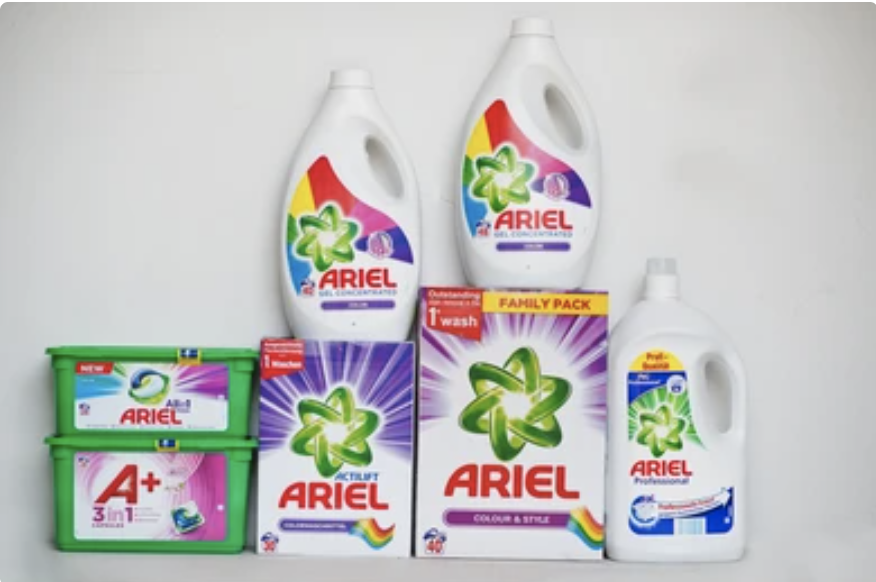
Nigeria is the continent’s largest FMCG consumer market, with Lagos expected to rank among the world’s top 11 most populated cities by 2025. The country accounts for roughly 40% of West Africa’s total FMCG import volume across cosmetics and personal care alone. Demand for laundry products — particularly brands like Ariel, OMO, and Persil — has grown consistently as urban housing standards rise and consumers move away from traditional washing methods towards branded detergents.
Ghana is rapidly emerging as a second power centre. Valued at between $12 and $18 billion, Ghana’s FMCG sector is on a trajectory that could see it reach $25 billion as consumer confidence strengthens. The expansion of Tema Port Terminal 3 has significantly improved import capacity, making the country an increasingly attractive destination for container-load wholesale shipments. In 2022, Ghana imported over 11 million kilograms of skincare products alone — and that figure has continued to rise year on year.
Beyond Nigeria and Ghana, the markets to watch closely are Kenya, Tanzania, Uganda, Ethiopia, and Côte d’Ivoire. All are experiencing 4–7% GDP growth, rapid urbanisation, and a rising middle class with increasing appetite for international brands in personal care, oral hygiene, baby care, and home cleaning.
Highest-demand product categories — Africa wholesale 2025–2026
| Category | Key drivers | Top brands in demand |
| Laundry & Fabric Care | Urbanisation, rising hygiene standards | Ariel, OMO, Persil, Tide, Downy |
| Personal Care | Young workforce, brand consciousness | Dove, Head & Shoulders, Nivea, Always |
| Baby Care | High birth rates, growing middle class | Pampers, Huggies, Johnson’s Baby |
| Cosmetics & Skincare | Female workforce growth, social media | L’Oréal, Nivea, Vaseline, Revlon |
| Beverages | Population growth, modern retail | Coca-Cola, Fanta, Pepsi, Red Bull |
What the distribution landscape looks like — and why it matters for importers
One of the most important facts for wholesale buyers to understand about the African FMCG market is this: in countries like Nigeria, Ghana, and Cameroon, over 90% of FMCG sales still happen through small, local traditional retail outlets. This is not a weakness — it is actually an opportunity for importers and distributors who can supply in bulk at the right price point.
The distribution chain in most African markets typically runs: European or Asian wholesale supplier → national importer → regional distributor → local wholesaler → traditional retailer → consumer. As an importer sourcing from a European B2B wholesale supplier like BVBM SALES BV, you sit at the critical first link in this chain. Getting the right products, at the right price, with the right documentation is what determines whether you can build a profitable, scalable distribution business.
The key challenge is authenticity. Consumer trust in international brands in African markets is high — but counterfeit products are widespread. Importers who can guarantee genuine, authenticated products sourced from verified EU supply chains command a significant premium and build loyal downstream retail relationships far faster than those who source from unverified channels.
How to structure your sourcing as an African importer in 2025
If you are a wholesale buyer in West or East Africa looking to build or scale a branded FMCG import business in 2025, here are the practical considerations that will define your success:
Before committing to full container loads (FCL), less-than-container-load (LCL) shipments allow you to test product demand across different categories in your market with lower capital risk. A mixed LCL order from a European supplier like BVBM SALES BV covering laundry, personal care, and beverages gives you real sales data before you scale.
For buyers new to international wholesale, CIF (Cost, Insurance and Freight) terms mean your supplier handles sea freight and insurance to your destination port. This reduces logistical complexity on your side and means you have clear cost visibility before committing. As you grow, you can move to EXW or FOB terms to control freight costs yourself.
Any credible European wholesale supplier should be able to provide a company registration certificate, VAT number, and references from existing clients on request. The prevalence of counterfeit goods in the wholesale supply chain — particularly at non-EU origin — makes verification a commercial necessity, not just due diligence.
Transit times to West Africa are typically 14–21 days by sea. Add customs clearance and inland distribution, and you need to ensure the products you import have sufficient remaining shelf life to sell through your distribution network. Always confirm minimum shelf life guarantees with your supplier before ordering.
AfCFTA and what it means for FMCG trade across the continent
The African Continental Free Trade Area (AfCFTA) is progressively removing intra-African tariff barriers and harmonising trade regulations across 54 countries representing 1.4 billion people. For wholesale buyers and distributors, this creates a structural opportunity: an importer based in Ghana or Nigeria who sources from Europe can, increasingly, also serve markets in Côte d’Ivoire, Senegal, or Cameroon under more favourable trade terms than existed even three years ago.
This regional trade integration is one of the most compelling reasons why building a strong European wholesale supply relationship now — before the market fully matures — positions distributors for outsized growth over the next decade.
Ready to supply your African market with genuine FMCG brands?
BVBM SALES BV supplies wholesale buyers across Nigeria, Ghana, Kenya, Tanzania, and 30+ countries worldwide. CIF pricing available. Inquiry responses within 24 hours.
Request a wholesale quote →Related topics
